FAQs for Selecting Your Ideal Waterproofing System
The answers to your frequently asked questions about commercial waterproofing.

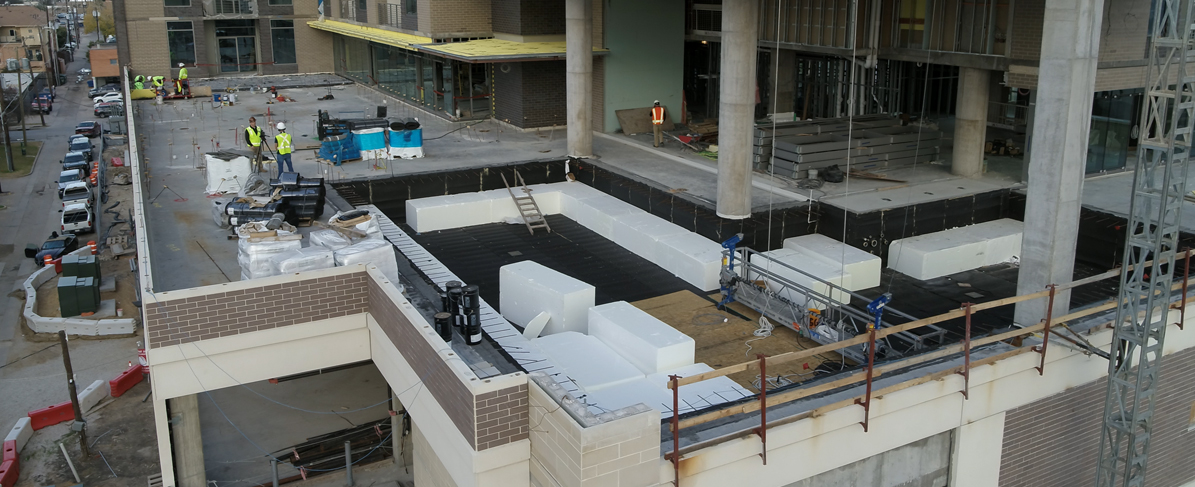
The answers to your frequently asked questions about commercial waterproofing.
Not every waterproofing system is created equally or for the same conditions. To better understand which below-grade waterproofing and above-grade deck coating technologies may be best for your project, including plaza decks, split-slab construction, vehicular applications and more, check out these waterproofing FAQs.
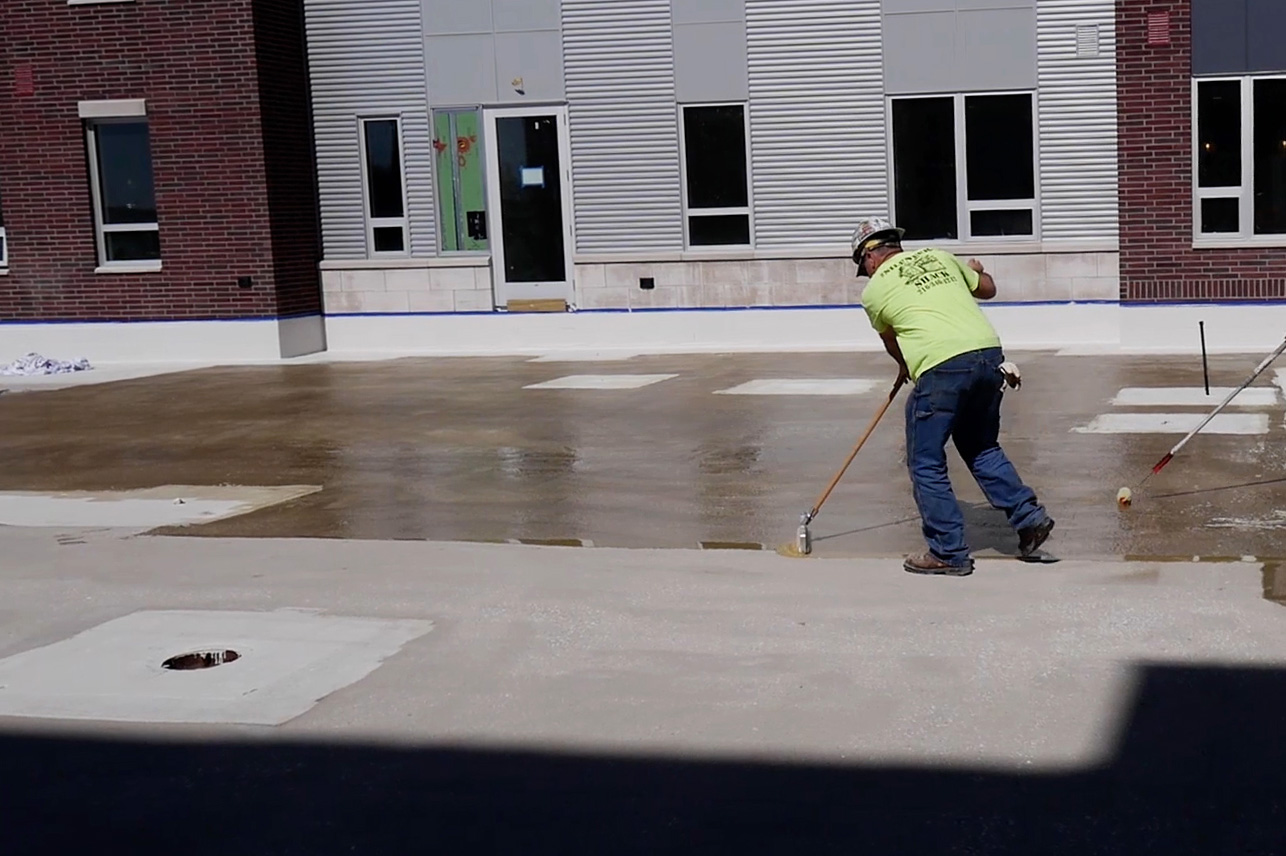 Commonly seen in hotels and apartment buildings, plaza decks over occupied spaces require a durable waterproofing system to protect the concrete deck and handle structural movement, environmental exposure and pedestrian traffic.
TREMproof® 250GC, a cold-applied elastomeric membrane, is an excellent choice for these applications. It provides a seamless barrier and can be applied to green or damp concrete, expediting construction schedules. Proper drainage design and integration with compatible sealants like Dymonic® 100 ensure uncompromising performance and protection for the occupied spaces below.
To learn more, check out this blog post on the top 3 challenges of waterproofing amenity decks.
For split-slab waterproofing over occupied areas, both liquid and sheet-applied systems can be effective. The fluid-applied TREMproof® 250GC is ideal for split-slab applications due to its high elongation and crack-bridging capabilities.
For a sheet-applied solution, TREMproof® Amphibia™ is a mechanically installed waterproof membrane that is hydro-reactive and self-seals in the presence of water. Paraseal® Standard is another great option, acting as a dual waterproofing system with its HDPE sheet embedded with expanded granular bentonite. TREMproof® PrePly™ is the latest in sheet waterproofing technology that is chemically adhered, bonding directly to wet concrete for faster installs.
Cold-applied waterproofing systems are ideal for tunnels due to their ability to provide seamless coverage and flexibility in confined spaces. TREMproof® 260, a fluid-applied, polyurethane membrane, is a reliable choice for waterproofing tunnels. It offers excellent crack-bridging capabilities and durability under hydrostatic pressure.
For additional protection, the sheet membrane Paraseal® GM/LG can be used in conjunction with TREMproof® 260 to provide a dual-layer system that resists water infiltration and ensures comprehensive waterproofing in tunnel environments.
For below-grade foundations with high water tables, the ideal waterproofing membrane must effectively resist hydrostatic pressure and provide long-term durability. If you’re looking for a liquid-applied product, TREMproof® 250GC is a polyurethane waterproofing solution that can be installed to damp and green concrete and cures quickly for a faster and more versatile application.
Here are some sheet-applied options for waterproofing foundations with high water tables. Paraseal® LG, a bentonite-based sheet waterproofing membrane, is specifically designed for high water table applications. It is strong enough to withstand shotcrete placement and has an active bentonite layer that swells upon contact with water to create a watertight seal.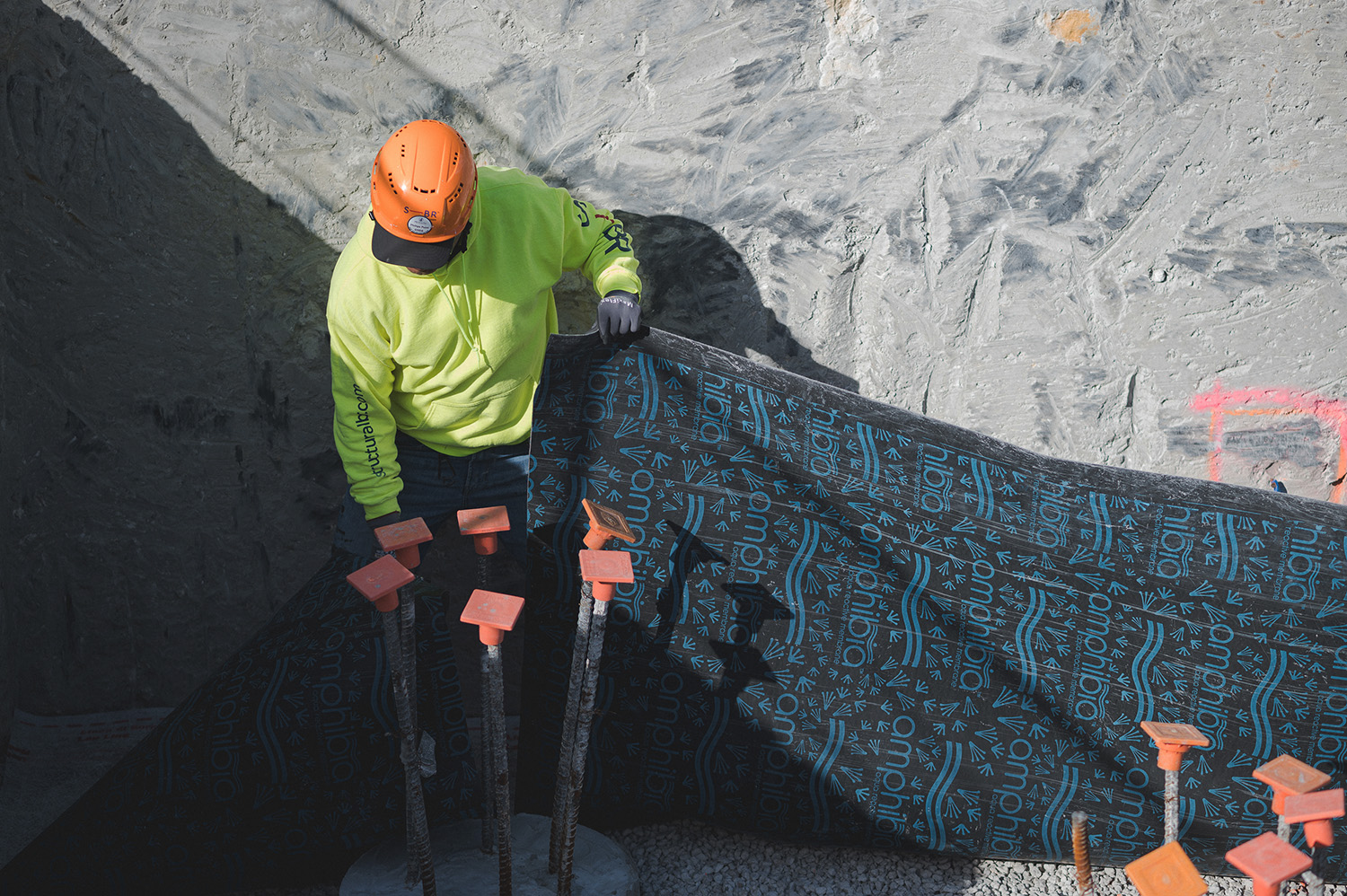 TREMproof® Amphibia™ is another great fit for waterproofing these tough below-grade conditions. If punctured, it is self-healing and self-sealing to prevent any water infiltration. See how it is used to waterproof coastal buildings in this blog post.
Another roll-applied solution is TREMproof® PrePly™, which has a weather-resistant adhesive to stick to wet concrete and shotcrete, as well as the seams for an easier, watertight installation. It mitigates lateral water migration and has even been used in submerged conditions, so it performs exceptionally for foundations with high water tables.
For multifamily buildings, like hotels, apartment complexes and dormitories, the balcony waterproofing systems must be durable, weather-resistant and capable of withstanding foot traffic. Vulkem® 350NF/346TC is an excellent choice for these pedestrian applications. This waterproofing system includes a single-component base coat and a UV-stable textured topcoat for skid-resistance and protection against water infiltration and wear, making it ideal for multifamily balconies exposed to varying weather conditions and frequent use.
Waterproofing planters integrated into podium decks requires a system that can withstand constant exposure to added weight, moisture and soil. The TREMproof® PUMA Planters System is specifically designed to resist water infiltration in this demanding application. With the polyurethane methacrylate (PUMA) technology and no need for an added root barrier, the TREMproof® PUMA Planters System ensures long-term performance even under challenging conditions. Proper detailing, including sealing all joints and penetrations, is critical to achieving a watertight planter system.
Explore the do’s and don’ts of waterproofing planters!
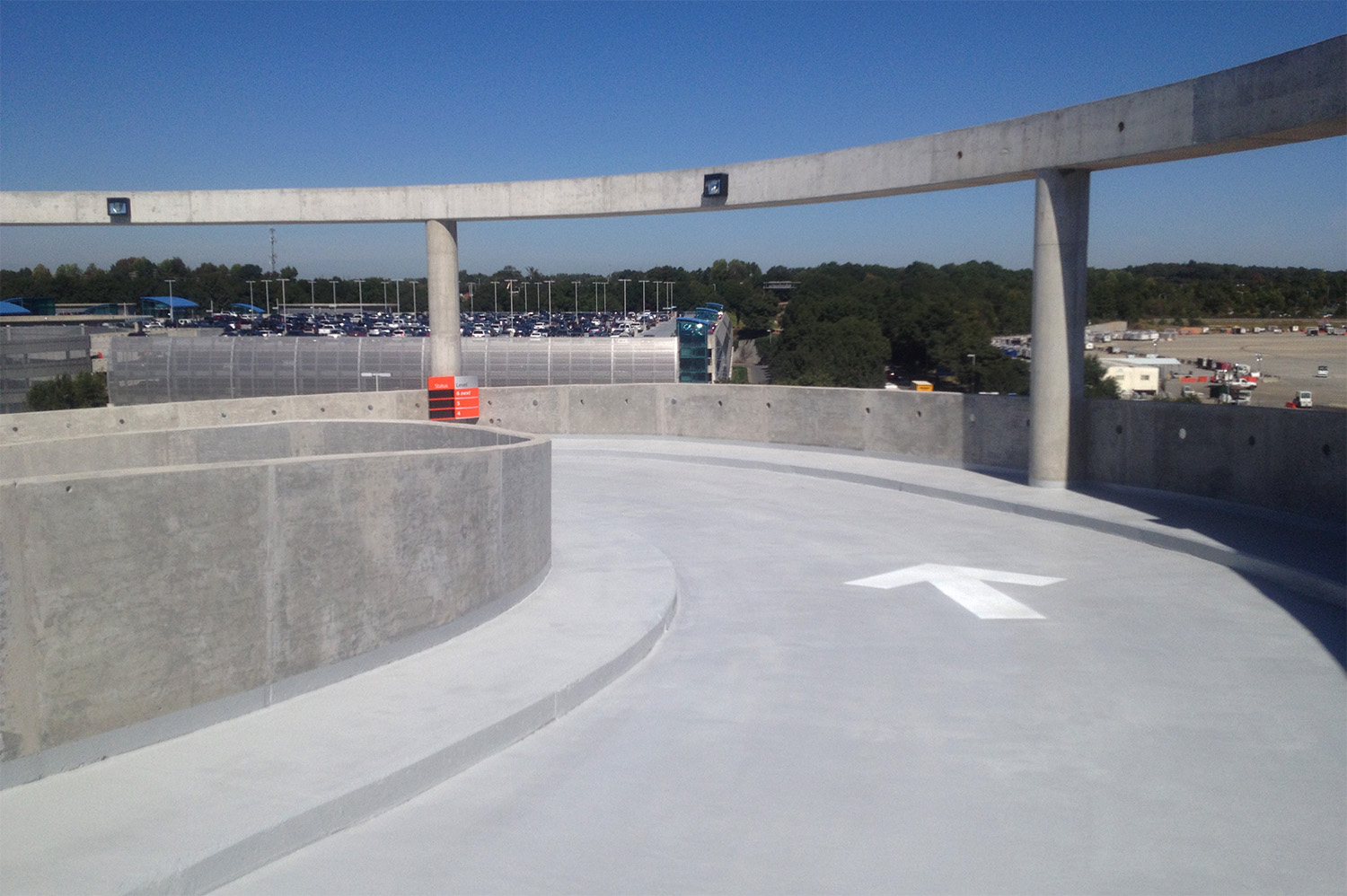 For parking structures requiring a fast turnaround, Vulkem® EWS Vehicular systems are the go-to traffic coatings. Featuring polyurethane methacrylate (PUMA) technology, these multi-coat solutions cure in as little as one hour, minimizing downtime and allowing parking garages to reopen quickly to traffic. In addition, these coatings provide a skid-resistant surface for pedestrians while handling heavy, consistent vehicular loads and exposure to de-icing salts. These features make PUMA-based waterproofing systems ideal for parking decks, ramps, turns and other high-traffic areas.
For parking areas exposed to heavy vehicular traffic and de-icing salts, a Vulkem® system with an epoxy wear coat, such as Vulkem® 350/Epoxy WC/346TC, is highly effective. This multi-layered waterproofing system includes a base coat, intermediate coat and an epoxy wear coat that provides exceptional resistance to abrasion and chemicals.
In addition, the Vulkem® EWS Heavy-Duty Vehicular systems with PUMA technology offer other long-lasting, waterproof options commonly used in demanding vehicular applications, including drive lanes, helical turns, ramps, ticket-spitters and dumpster areas. They protect parking decks from deicing salts, gasoline, oils and anti-freeze with impact resistance and remarkable chemical stability.