Best Practices for Sealing Stone, Metal, and Concrete: Your Sealant FAQs Answered
Here are the expert answers to common questions about sealant selection and joint design.

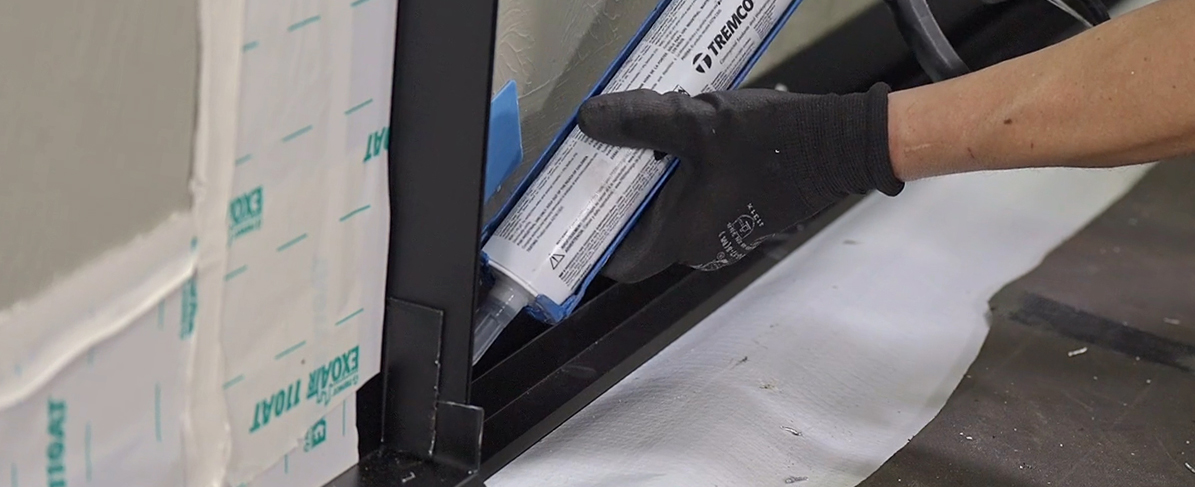
Here are the expert answers to common questions about sealant selection and joint design.
Selecting the right sealant and applying it correctly can make all the difference in protecting your building envelope. In this blog post, we’ve compiled answers to some of the most frequently asked questions about sealants, covering everything from preventing staining on stone to designing expansion joints for seismic movement. Let’s dive into these expert insights to help you make informed decisions for your next project.
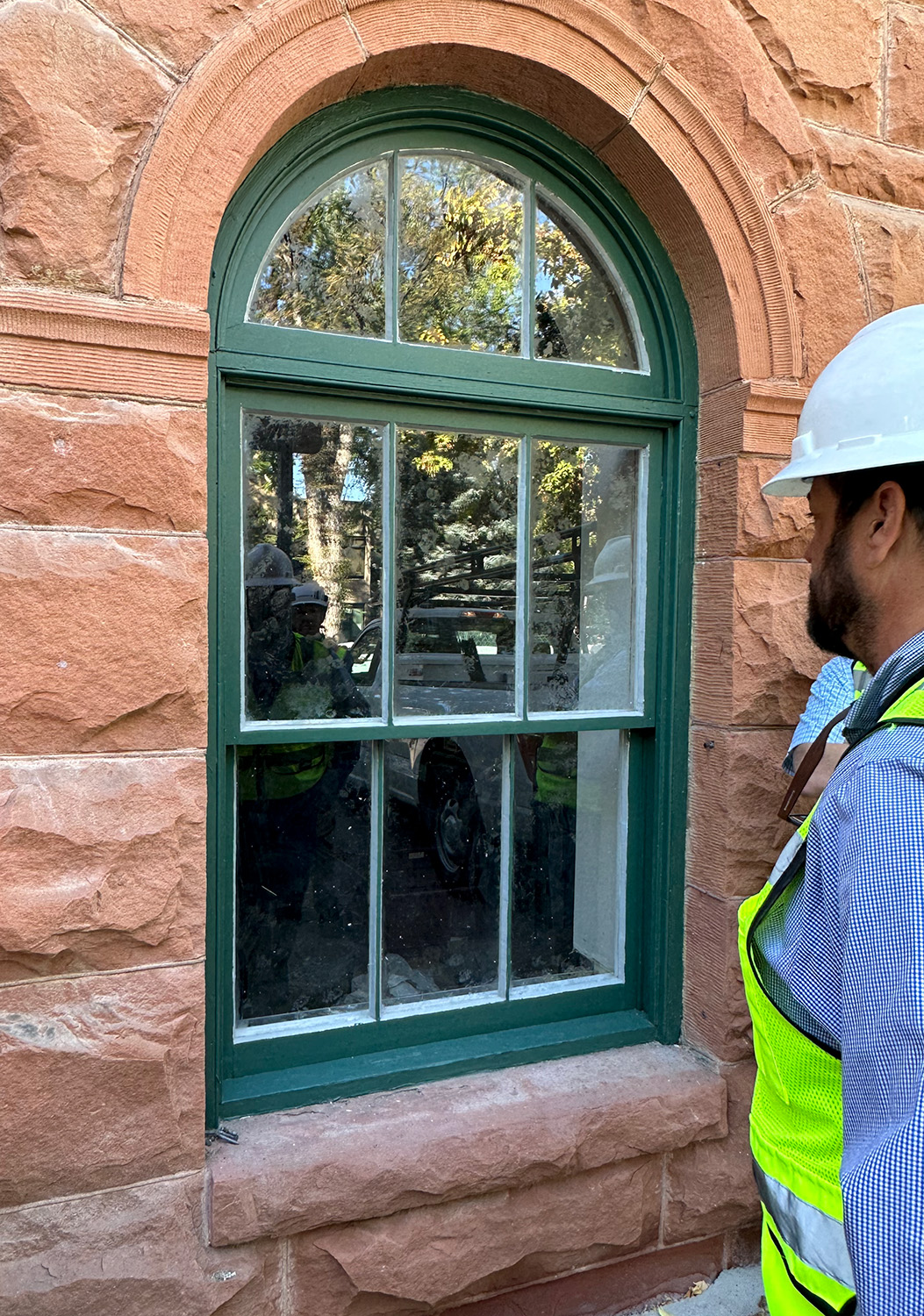 How do I select a sealant for stone cladding with the risk of staining?
If you’re working with stone cladding, staining can be a big concern when selecting a sealant product. Neutral-cure silicone sealants are generally preferred for their non-staining properties and compatibility with natural stone. Tremco offers a range of silicone sealants, such as Spectrem® 1, which is specifically formulated to minimize staining while providing excellent adhesion and weatherproofing.
To ensure the best results, conduct pre-application testing, including adhesion tests, compatibility and staining tests, on a sample piece of the material or in an inconspicuous area of the project. Reach out to Tremco’s technical services team for assistance with these evaluations and to ensure the selected sealant meets your project’s aesthetic and performance requirements.
Sealants used in environments with extreme temperature swings must maintain flexibility and adhesion across a wide temperature range. Silicone-based sealants, such as Spectrem® 1, are well-suited for these conditions due to their ability to remain flexible in temperatures ranging from -40°F to 300°F (-40°C to 149°C). This makes them ideal for applications exposed to both freezing and high-heat environments.
To help estimate how much product you’ll need for your joints, this Sealant Calculator is a great resource.
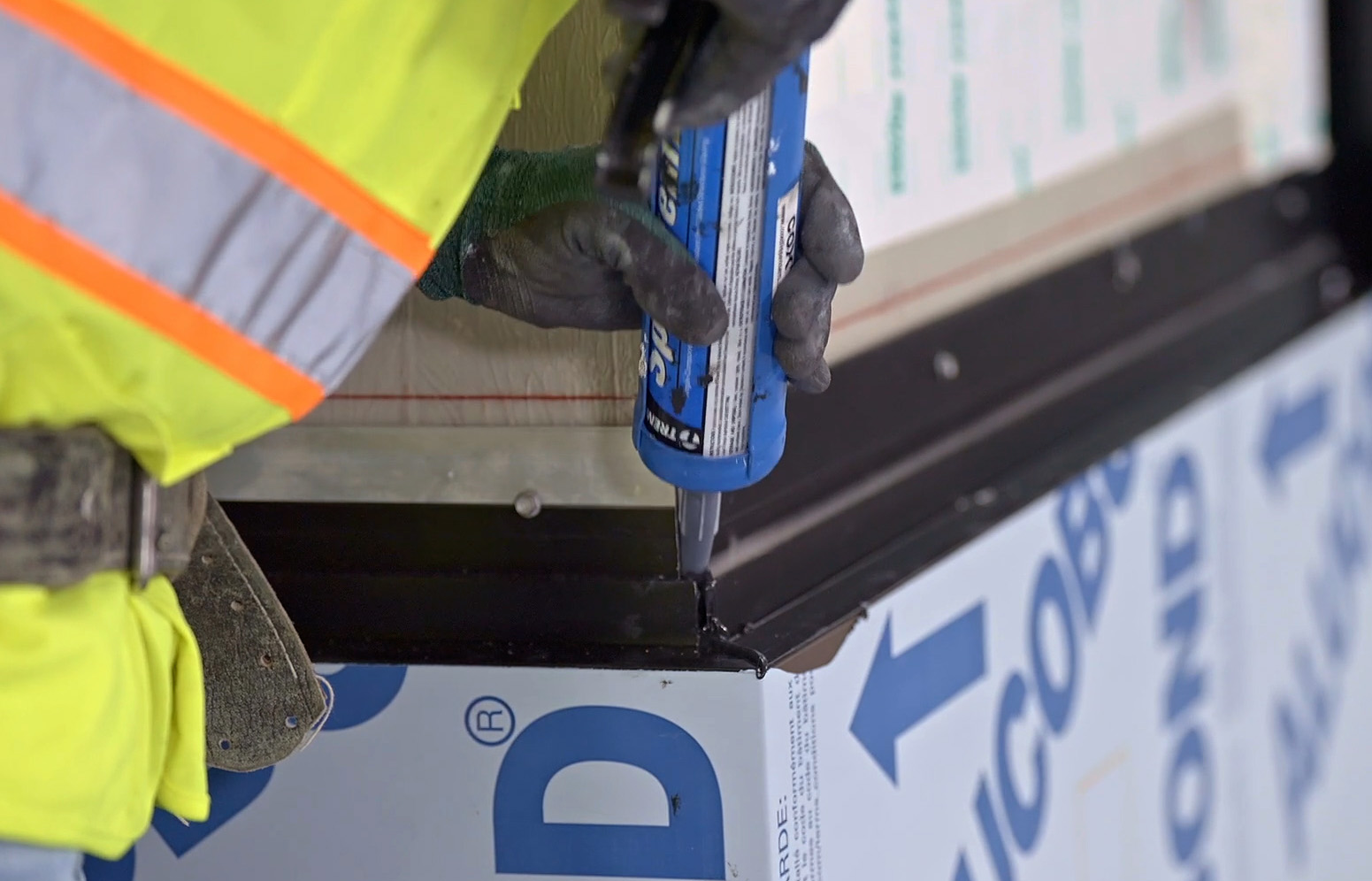 What are the recommended sealants for metal panel rainscreen systems?
For sealing joints within a metal panel rainscreen system, silicone sealants like Spectrem® 2 are recommended. This product offers compatibility with metal and the necessary flexibility, UV resistance and long-term durability for these exterior applications. Download our Sealant Selector Guide for more details on our sealant options and compatible substrates.
High-movement building joints, such as those in curtain walls, seismic zones or areas with significant thermal expansion, require sealants that can accommodate substantial joint movement. Dymonic® 100, a flexible, polyurethane sealant, is an excellent choice for high-movement applications. It offers exceptional adhesion and elasticity, making it suitable for dynamic joints that experience frequent expansion and contraction. Dymonic® 100 is also weather-resistant and compatible with a wide range of substrates, including concrete, metal and masonry.
For applications requiring pre-compressed solutions, Willseal® 150 or Willseal® Seismic are designed to handle dynamic movement while maintaining an air- and water-tight seal.
The best choice of sealant for your application depends on the specific joint design, movement requirements and environmental conditions. For more insights, check out our blog post “Selecting Sealants: 8 Considerations for Building Envelope Success.”
Properly sealing precast concrete panel joints requires a combination of appropriate material selection, joint design and application techniques. Silicone sealants, such as Spectrem® 3, are commonly used for precast panel joints due to their flexibility, weather resistance and excellent adhesion to concrete.
For projects requiring a pre-compressed foam tape, products like Willseal® 150 or Willseal® Seismic can provide additional movement capability and watertight performance.
Best practices include:
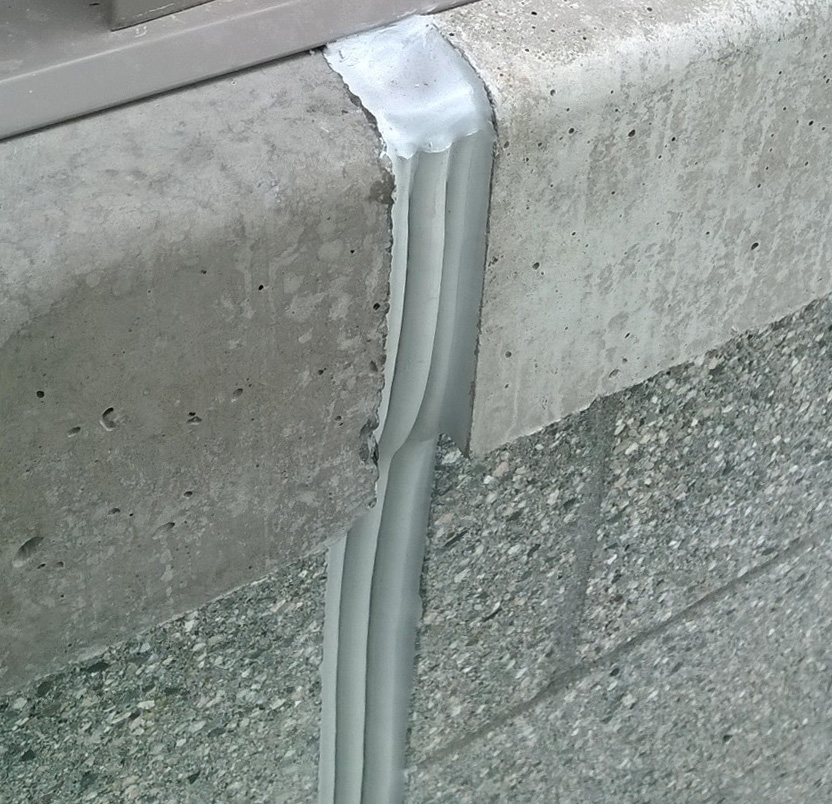 How do I design expansion joints for seismic movement?
 Expansion joints for seismic regions must be designed to accommodate rapid and significant movement without compromising the building’s watertightness or structural integrity. Tremco’s Willseal® Seismic for vertical joints and Willseal® Seismic HS for horizontal joints are specifically engineered for seismic applications, offering a pre-compressed foam core with a factory-applied silicone face. These systems provide a watertight and thermally insulated primary seal while accommodating ±50% movement, which is ideal for buildings in high-risk earthquake zones.
Key design considerations include:
Sealants are more than just a finishing touch. They’re a vital component of a building’s watertightness and aesthetic appeal. By understanding the unique requirements of different materials and environmental conditions, you can ensure your projects last longer with less maintenance. From selecting the right sealant for extreme temperature swings to designing joints for earthquake zones, these best practices and product recommendations will help you achieve optimal performance and durability.
Have more questions? Reach out to your local Tremco Sales Representative or Distributor today!