How to Select the Right Silicone Sealant
Not all silicone sealants are the same. Learn about their chemistries and basic cure characteristics to help select the right product for your project.

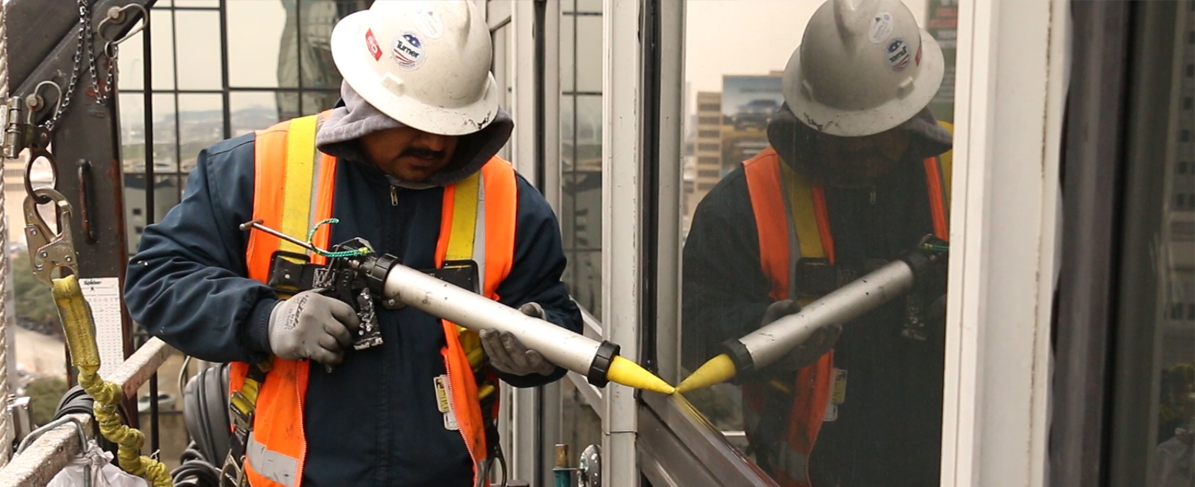
Not all silicone sealants are the same. Learn about their chemistries and basic cure characteristics to help select the right product for your project.
Silicone sealants are used extensively in the construction industry for interior and exterior applications requiring enhanced durability and flexibility. But not all silicone sealants are the same, so understanding their chemistries and basic cure characteristics is critical to selecting the right product for your next construction project.
When deciding on a silicone sealant, it is first important to understand the full scope of the application, including the substrate, adjacent building materials, expected movement, desired color and anticipated exposure to UV and moisture. For example, do you want a clear sealant? Will it be submerged under water? Reviewing these building details will help narrow down your options, but there are still additional considerations to factor in. Download Tremco's Sealant Selector Guide for a quick comparison of our sealants, their movement capabilities and compatible substrates!
 Silicone's unique polymer structure allows silicone sealants to withstand movement, high temperatures and ultraviolent light (UV) exposure, making them an ideal solution for outdoor construction applications, such as curtainwalls, window perimeters and even highways.
Silicone sealants are defined by their cure mechanism, divided into acid and neutral cure categories.
 Silicones can also be broken down into one- and two-part categories, which have their own cure processes to take into consideration.
You may find yourself with any of these silicone sealant types, depending on your application. But select the wrong one, and there could be serious compatibility issues, costing you significant time and money.
To ease the silicone sealant selection process, be sure to talk to your local Tremco representative or reference our Sealant Selector Guide for insight into which products may best match your project needs.