Fireproofing Structures from the Roof to the Walls
Explore how to achieve whole building fire protection including system testing, evolving technologies and practical guidance for safer, code-compliant buildings.

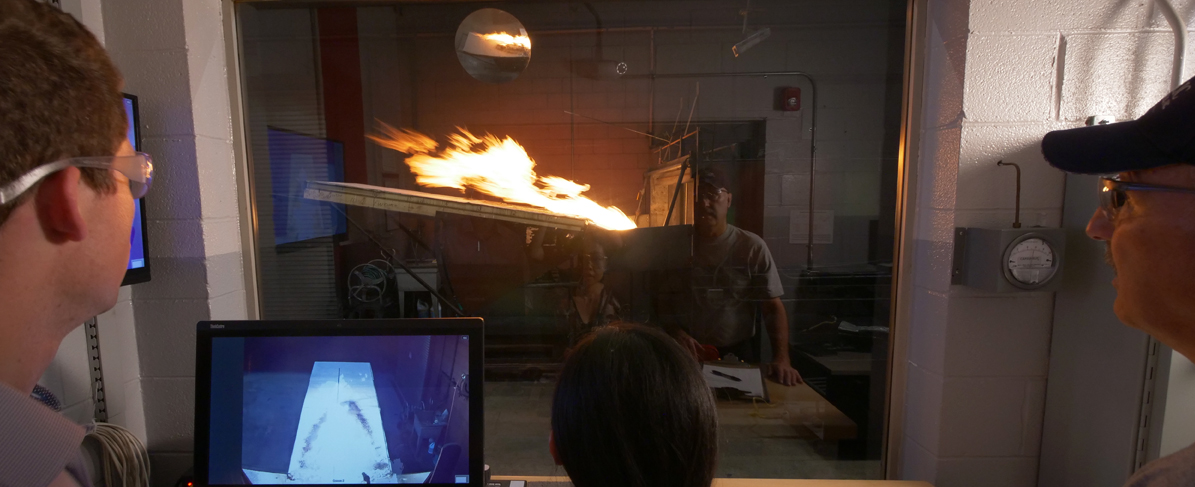
Explore how to achieve whole building fire protection including system testing, evolving technologies and practical guidance for safer, code-compliant buildings.
Building fires do not discriminate, taking the path of least resistance and moving through joints, penetrations, insulation, the roof and cladding assemblies if not designed correctly. That is why effective fireproofing requires a holistic interior and exterior perspective, not a product-by-product approach, to maximize building safety.
In light of Wildfire Awareness Month in May, Tremco experts Ron Velichka and Andrew LeCampion shared their insights on fire protection in a podcast interview on Roofing Road Trips. They explained why system testing matters more than isolated material claims, where fireproofing technology is improving and what contractors can do to reduce risk, support code compliance and improve building performance from the walls to the roof.
Passive fire protection works best when construction and design teams think about the entire building as an interconnected system. Fireproofing is not just about choosing a “fire-resistant” product, which is why most fire tests evaluate entire assemblies beyond just individual building materials. Roof systems, walls, sealants, transitions, windows and doors all affect how flames propagate.
A roof may perform well on its own and minimize the spread of fire, but if the roof-to-wall condition fails, the whole building and its occupants are vulnerable.
That comprehensive envelope mindset matters because fires exploit weak points like small gaps or unsealed penetrations, which can turn a localized fire into a larger event.
As mentioned before, projects should not choose a product based solely on its individual fire rating. A component that performs well in isolation may behave differently when paired with insulation or a different substrate. A building system therefore must be tested or receive an Engineering Judgement (EJ) to be cleared for use.
In roofing, that means the deck, insulation, cover board and top coating are assessed together. ASTM E108 and UL 790 tests measure how a roof system responds to flame exposure, wind and burning embers. A Class A rating is especially important in wildfire-prone regions. It signals that the tested roof assembly limits flame spread and resists severe exposure conditions.
For facades, NFPA 285 evaluates a two-story wall assembly, including the air barrier, insulation, exterior cladding and a window opening, to determine the system’s performance for excessive flame spread and temperature limitations.
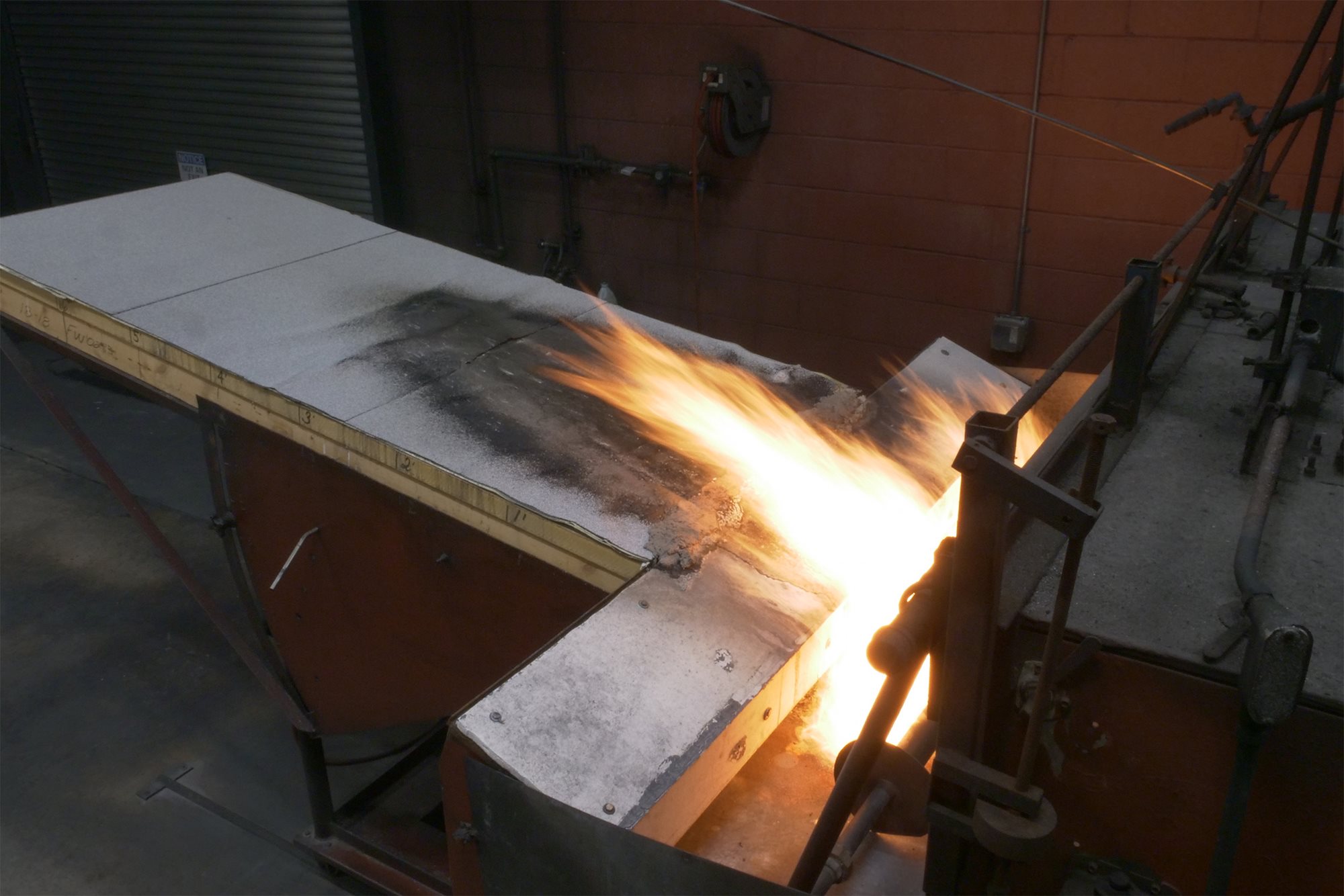
When asked about what’s next for the future of fire protection, Ron and Andrew referenced these emerging product technologies:
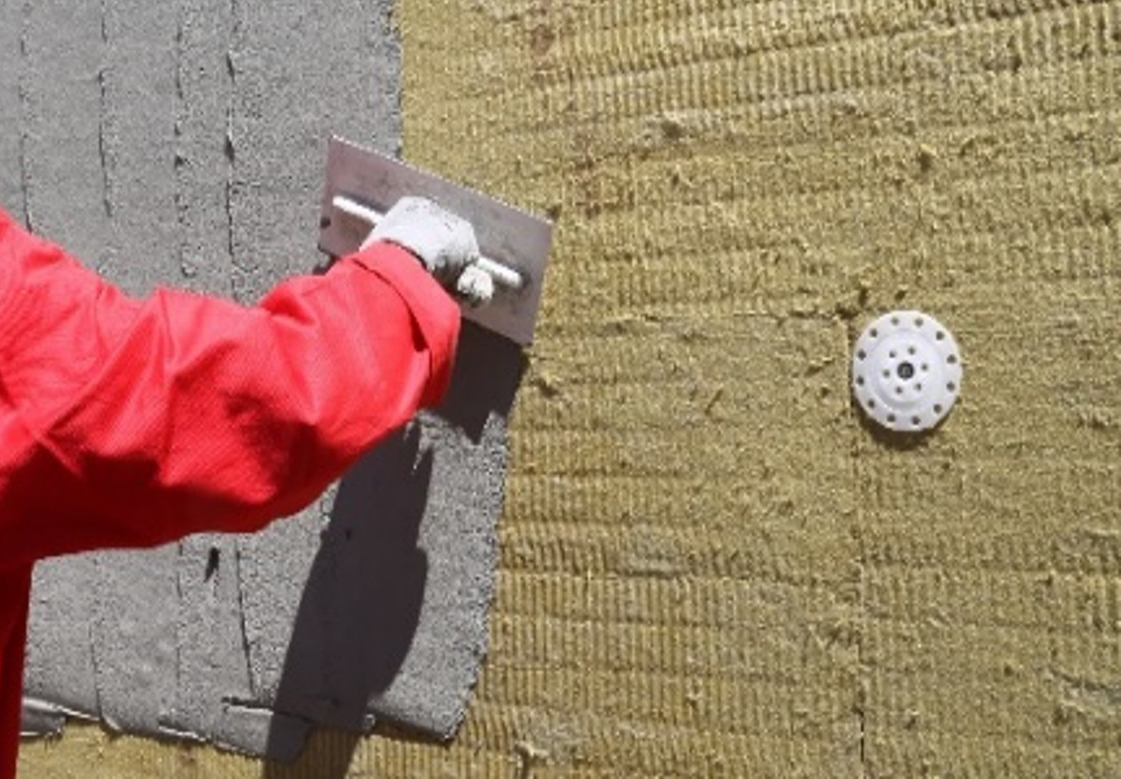
The call to action to contractors was clear: involve building manufacturers as early as possible in the design and construction process. Early coordination helps teams match wall, roof and penetration details to approved systems before jobsite work begins. This upfront collaboration saves time because late-stage changes can delay work or cause rework and increase labor and material costs.
Strong teamwork related to fire protection will:
As the threat of wildfires increases, fireproofing structures must become more proactive and tied to full-envelope testing and assembly performance. The most effective fire protection approach combines tested and code-compliant building systems, modern suppression materials and early coordination between contractors, manufacturers and design teams. While you cannot always prevent fires from happening, effective passive (and active) fireproofing measures can extend the performance of building materials to protect human lives and property when it matters most.