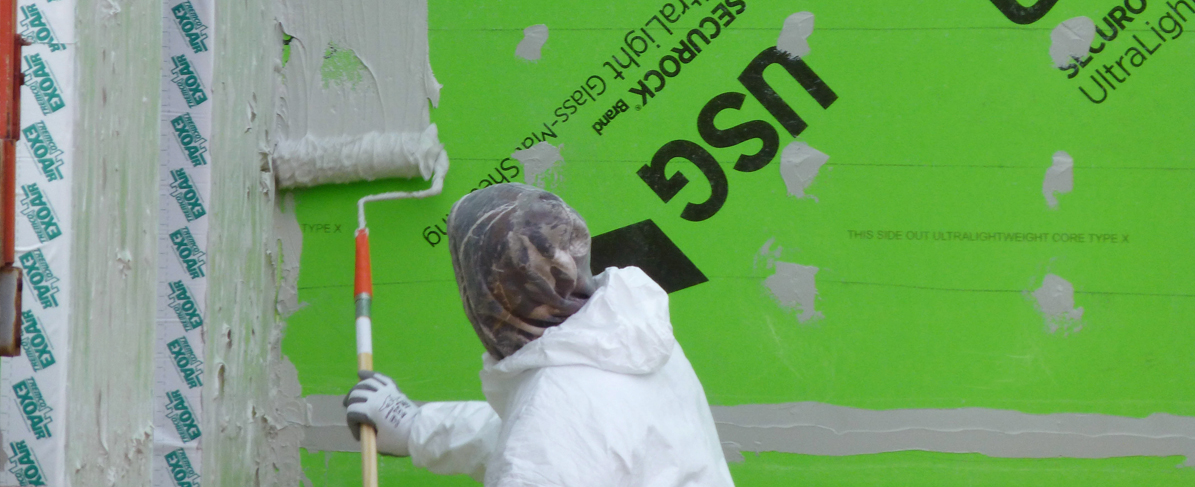
Transitioning air and vapor barriers to below-grade waterproofing is crucial for a structure’s air- and water-tightness, yet this condition can be challenging for both designers and installers alike. Frequently labeled as “by others”, this building envelope connection requires careful detailing due to common adhesion and compatibility misconceptions or trade scheduling issues.
Questions therefore arise, such as “What air barrier and waterproofing products are compatible?” and “How do I detail the air barrier to the waterproofing?” To mitigate failure at this critical transition, this blog post walks through how architects and contractors can select the best Tremco products to minimize rework and ensure long-lasting performance.
Tremco's Air Barriers and Below-Grade Waterproofing
Sorted by waterproofing type, here are the recommended solutions for connecting various Tremco below-grade membranes and air barriers. Note that you should always confirm your project’s material selection with a Tremco CPG Sales or Technical Representative and follow the product’s specific application instructions. For general guidance on selecting an air barrier, read this blog post “7 Critical Factors to Choosing the Right Air Barrier.”
Bitumen Modified Urethane Below-Grade Waterproofing
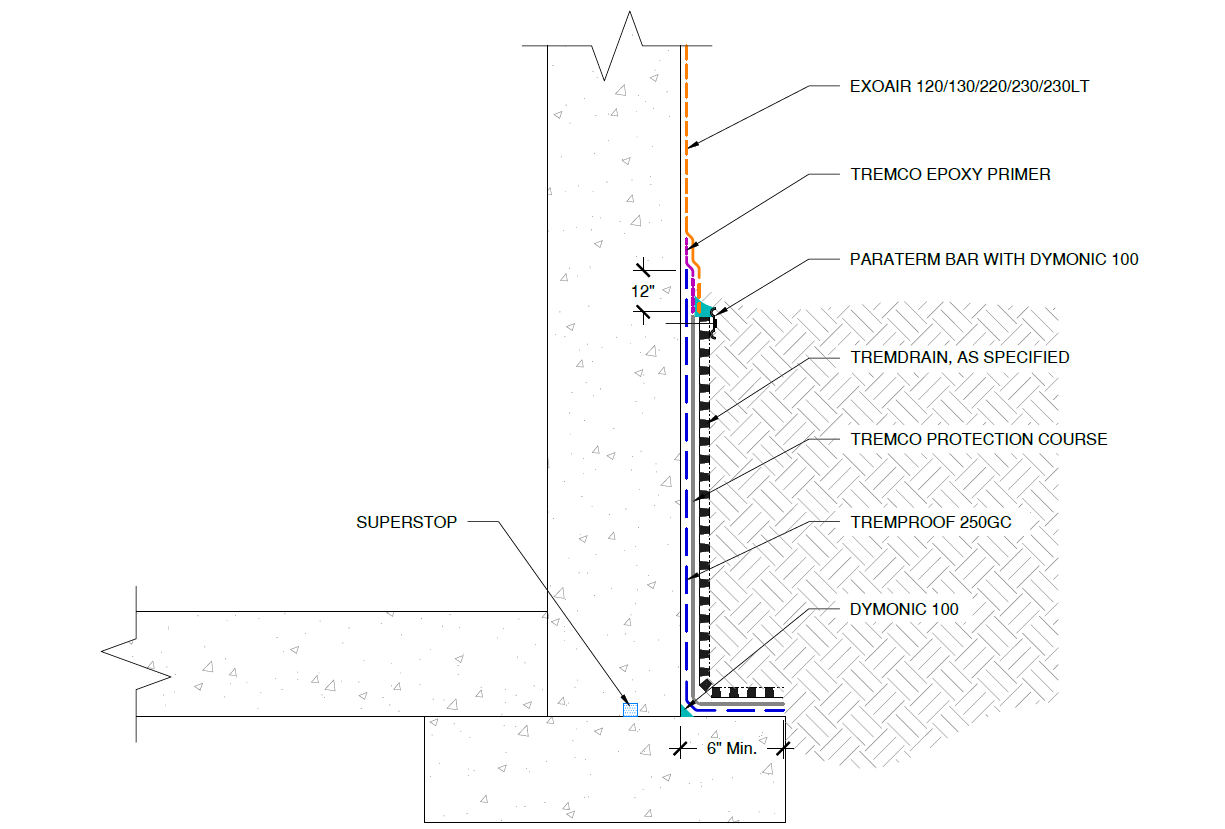
Urethane waterproofing materials, like TREMproof® 250GC, tend to be incompatible with most air barrier technologies, but that does not mean they can’t be used together. A transition at this condition requires a dividing layer between the air barrier and below-grade waterproofing. Tremco Epoxy Primer is a great option because it creates a chemical barrier between the two products, so they are overlapped without causing adhesion or compatibility issues.
Asphalt Below-Grade Waterproofing
Most air barriers, except hybrids like STPs, are compatible with fluid asphalt-based waterproofing membranes. Depending on the color of the air barrier, there may be some discoloration at the interface, but it is generally just aesthetic and does not affect the performance of the materials. However, any compatibility concerns can usually be treated with Tremco Epoxy Primer.
Hot Rubber Asphalt (HRA) Waterproofing
When using hot-applied waterproofing membranes like TREMproof® 6100, the ideal transition above-grade is with a sheet air and vapor barrier like ExoAir® 110 or ExoAir® 110AT. After the waterproofing has cured, these sheet-applied air barriers will adhere well, unlike most fluid air barriers.
Self-Adhered Below-Grade Waterproofing
Liquid-applied air barriers typically do not adhere well to the facer of self-adhered waterproofing systems, like TREMproof® 560A. The easiest way to make this transition is to caulk the top edge of the below-grade waterproofing with a compatible sealant, such as Dymonic® 100, and bring the fluid air barrier over it.
Often times, the sheet waterproofing has a termination bar installed with caulking over it. In this case, the fluid air barrier can still be installed down onto the sealant. Self-adhered, or peel-and-stick air barriers are typically compatible with self-adhered below-grade waterproofing membranes and can make a direct transition.
Polyurethane Methacrylate Waterproofing
Below-grade waterproofing with polyurethane methacrylate (PUMA) technology, such as TREMproof® PUMA, generally accepts air barrier products. However, it must first be cleaned with Tremco’s PUMA Cleaner. When the PUMA cures, it leaves a layer of wax on top, which must be removed before applying an air barrier over it. If the PUMA waterproofing is sanded, a self-adhered air barrier should not make the transition. Otherwise, rolling the sheet over the sand can cause tears or holes in the air barrier, essentially negating its effectiveness.
 Sheet Waterproofing
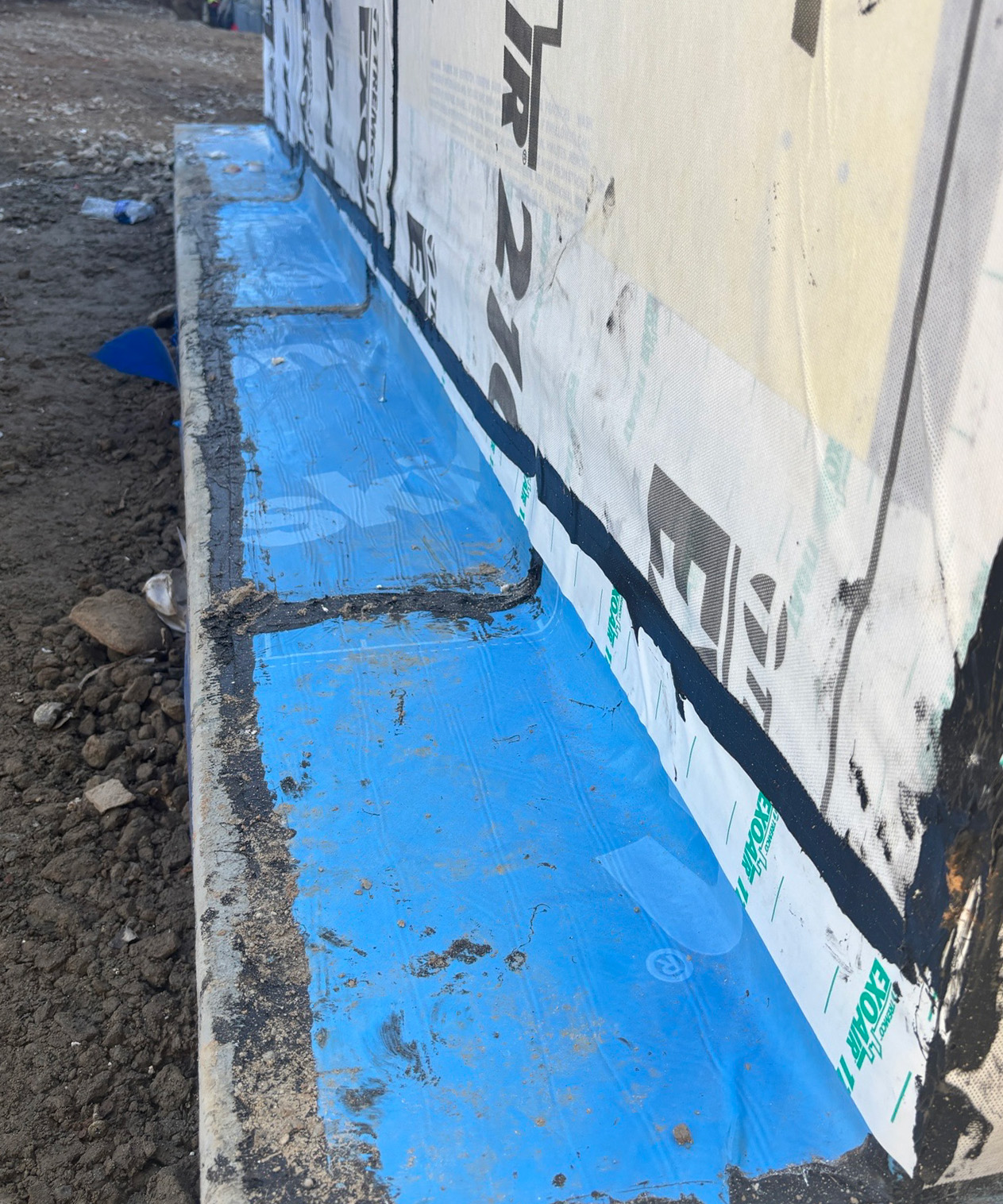
For the air barrier transition to sheet waterproofing products, like the synthetic rubber TREMproof® Amphibia and bentonite sheet membrane, Paraseal®, a self-adhered air barrier, like ExoAir 110AT is generally used. While they may be compatible, fluid air barriers do not adhere well to either of these waterproofing products.
Conclusion
Ensuring a seamless transition from air and vapor barriers to below-grade waterproofing is essential for a building envelope’s performance. Therefore, careful product selection and installation is critical to reduce the risk of failure and achieve long-lasting results. After exploring the recommended solutions, be sure to consult a Tremco CPG Sales or Technical Representative to confirm project-specific details that may impact material selection, adhesion and compatibility of your application.